“Ozempic face” is a term used to describe facial changes such as sagging skin, increased wrinkles, and hollowed features. These can result from rapid weight loss while using semaglutide or the generic name for Ozempic. These cosmetic shifts arise when weight drops quickly and facial fat, which supports skin structure, is lost faster than the …

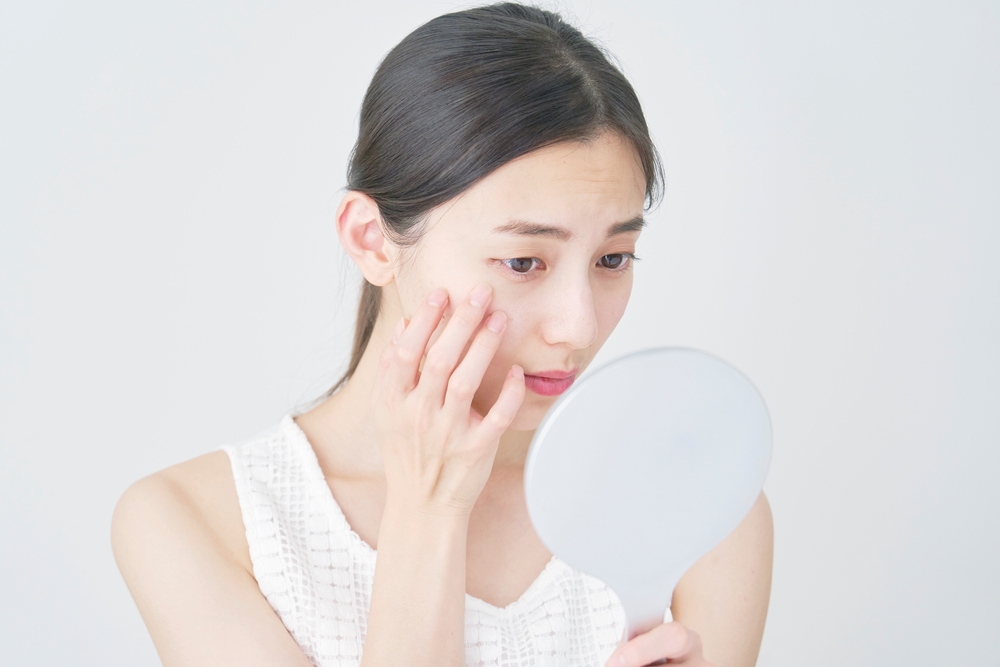
“Ozempic face” is a term used to describe facial changes such as sagging skin, increased wrinkles, and hollowed features. These can result from rapid weight loss while using semaglutide or the generic name for Ozempic.
These cosmetic shifts arise when weight drops quickly and facial fat, which supports skin structure, is lost faster than the skin can reclaim elasticity.
Understanding Ozempic Face
Semaglutide is a GLP-1 receptor agonist and is primarily used to treat type 2 diabetes. In off-label uses, it helps patients with weight loss, but is not FDA-approved for such a use.
It helps reduce appetite and delay gastric emptying, which refers to the process of consumed food moving from the stomach and into the small intestine. This results in fewer calories consumed and accelerated weight reduction.
The more noticeable effects of losing facial fat include:
- Increased amounts of lines and wrinkles on the face
- A hollowed-out appearance due to lack of facial fat, which also leads to sagging skin
- Lipodystrophy, or a disorder regarding how the body accumulates and stores fat
While effective for slimming, this can take a visible toll on the face as fat cushioning diminishes. Fat in the face serves both as a means to protect the face and affects the aesthetics of your facial skin.
Experts emphasize that “Ozempic face” isn’t a medical condition but a colloquial expression for a cosmetic effect visible during rapid fat loss in facial areas.
Managing and Mitigating the Effects
To reduce the likelihood of developing “Ozempic face,” experts recommend a more gradual approach to weight loss.
An example would be to focus on losing less fat in a shorter period and instead opting for a longer program. This would allow your body to better acclimate to the fat loss process and maintain existing elasticity.
Other practices to mitigate effects include:
- Eat sufficient protein to support muscle and skin structure as part of your daily lifestyle
- Maintain daily hydration to preserve skin elasticity
- Use sunscreen and consider topical agents like retinoids to bolster collagen, minimize wrinkles, and protect your face from UV rays
- Talking to your doctor about reducing the dosage of Ozempic to slow the rate of fat loss
- Other lifestyle changes in order to maintain a healthy weight
If cosmetic changes occur, procedures such as injectables (e.g., fillers), skin tightening (like RF microneedling), or surgical options might help restore fullness. Results will vary depending on the procedure utilized.
When to Contact a Doctor
Ozempic as a medication can have other side effects aside from facial sagging, some of which should be handled by a doctor. These side effects may be prefaced by facial sagging, so knowing what they are ahead of time will help you in case of emergency,
These side effects include:
- Dysphagia, or when you have difficulty swallowing
- A lump or pain in your neck
- Wheezing and shortness of breath
- A worsening voice, usually characterized by hoarse sounds and a scratchy tone
What This Means
If you’ve recently taken semaglutide and notice facial changes, know that what you’re experiencing is not only common, but also addressable. Understanding the underlying causes and taking a gradual, skincare-savvy approach can help preserve both your health goals and your appearance.
And if cosmetic adjustments become a concern, minimally invasive treatments can offer support.
Dealign With Ozempic Face? Here’s What to Do Next
If you’re exploring semaglutide treatment in or near Arlington, VA and want to minimize its unintended facial effects, schedule a consultation with a qualified provider. We’ll help you develop a weight-loss plan that prioritizes both your well-being and your looks.
Book your appointment online or give our office a call at 703.988.2000 to speak with a member of our experienced team today!