
A standard physical exam checks about a dozen markers and calls it done. Diagnostic bloodwork tests 50 or more, looking for patterns a basic panel is never designed to catch. Two people can walk away from the same basic panel with an identical "normal" result, even though their bodies are functioning very differently underneath. That …

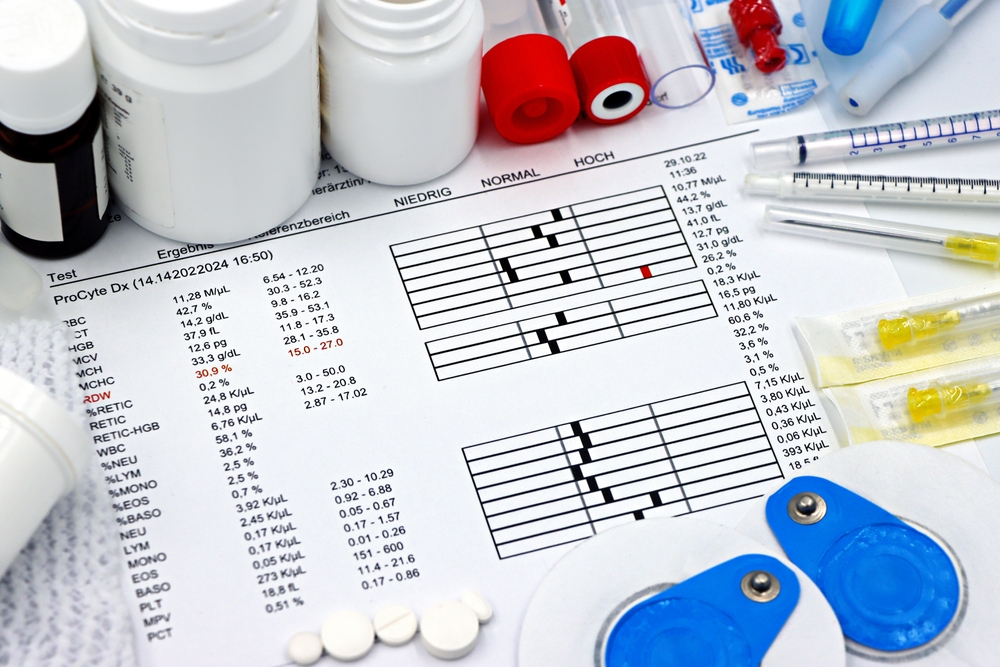
A standard physical exam checks about a dozen markers and calls it done. Diagnostic bloodwork tests 50 or more, looking for patterns a basic panel is never designed to catch.
Two people can walk away from the same basic panel with an identical “normal” result, even though their bodies are functioning very differently underneath.
That is the gap genetic longevity testing and detailed bloodwork are built to close.
What a Regular Physical Covers
A standard annual physical includes a basic metabolic panel, a complete blood count, and a cholesterol profile.
These tests are built to catch disease, not to tell you how well your body is functioning day to day.
Reference ranges are wide enough that most people land near the top or bottom of normal and still feel awful.
Being near the bottom of normal is not the same as feeling good, and you generally need to sit closer to the top of that range.
What Diagnostic Bloodwork Adds
Instead of a basic cholesterol number, an advanced lipid panel can measure the size of your cholesterol particles and flag specific markers most physicals never look at.
Micronutrient testing can also check levels of vitamin D, B12, iron, and other key nutrients tied to energy, weight loss, and mental clarity. These panels are rarely part of a routine physical.
What Markers We Look At Beyond the Basics
Beyond basic markers like cholesterol and blood counts, we also look at thyroid function, inflammatory markers, and several key hormones that a standard panel often skips.
Together, these markers can explain symptoms like low energy, stubborn weight, and poor sleep that a basic checkup alone tends to miss.
Why “Normal” and “Optimal” Are Different Standards
Take thyroid function as an example. A standard reference range for TSH runs roughly from 0.4 to 4.5, so a result of 4.2 gets marked normal, even though many providers consider anything above 2.5 worth a closer look.
The same pattern shows up with vitamin D, ferritin, and several hormone levels, where a result can sit inside the lab’s normal range and still fall short of what your body actually needs to run well.
Why Interpretation Matters as Much as the Numbers
A stack of lab results means little without someone trained to connect those numbers to how you feel and function day to day.
The real difference between diagnostic bloodwork here and an at-home test kit is not the blood draw itself. It’s that someone reviews your results and applies them directly to your health, not just hands you a printout.
How Our Experts Use This Information
We pair diagnostic bloodwork with genetic longevity testing and metabolic testing to build a complete picture of your health, rather than handing you generic diet advice that could apply to anyone.
That data, combined with DEXA scan results like body composition, shapes a nutrition and weight loss plan built around your specific numbers.
Diagnostic bloodwork is what makes that plan personal instead of generic.
What Happens After Your Results Come Back
We walk through your results with you in detail, connecting the numbers to how you actually feel day to day.
That conversation is often when years of unexplained symptoms finally have a specific, measurable cause.
From there, your provider can build a plan around nutritional changes, targeted supplementation, or hormone support if needed. We retest down the line to confirm the plan is working.
Who Should Consider Diagnostic Bloodwork
Even people who feel fairly good can benefit from seeing what their numbers actually show. It often reveals room to optimize before anything feels seriously wrong.
Unexplained fatigue, stubborn weight, or symptoms your primary care provider cannot explain are common reasons people look into this testing.
Diagnostic bloodwork can help uncover what is actually driving them.
See What Your Bloodwork Isn’t Telling You, Book Your Appointment For Diagnostic Bloodwork Today
The only way to know what is happening beneath a “normal” result is to test for it directly.
Fill out our online contact form, book your appointment online, or reach Ultra Body Sculpt directly at 703-988-2000 to get the details you need to reach your optimal health.